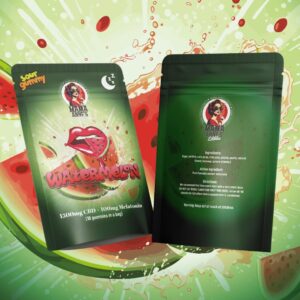
Cannabis edibles have evolved far beyond the traditional homemade brownie. Today, consumers can find gummies, chocolates, baked goods, beverages, capsules, and other infused products in an enormous variety of cannabinoid profiles and strengths. At the more potent end of this spectrum are High THC Edibles, products that contain comparatively large amounts of tetrahydrocannabinol (THC).
These products are generally better suited to experienced cannabis consumers who already understand how their bodies respond to edible THC. Unlike inhaled cannabis, edibles can take much longer to produce noticeable effects and may remain active for several hours. The combination of delayed onset, long duration, and substantial THC content makes understanding potency especially important.
For experienced consumers, High THC Edibles may offer convenience, longer-lasting effects, and an alternative to inhaling cannabis. However, greater potency also brings a greater possibility of uncomfortable effects if too much THC is consumed.
What Are High THC Edibles?
High THC Edibles are edible cannabis products containing relatively concentrated amounts of THC. What qualifies as “high THC” can vary depending on the market, product, serving size, and applicable regulations.
The important measurement is not simply the size of the gummy, chocolate, or cookie. It is the actual quantity of THC contained in each serving.
For example, two gummies of identical size could contain dramatically different quantities of THC. Consumers should therefore read cannabinoid information carefully rather than estimating potency based on appearance.
Experienced cannabis users should also remember that tolerance to smoking or vaping does not necessarily translate directly to tolerance for edibles.
Why High THC Edibles Feel Different
The difference begins with how THC enters the body.
When cannabis is inhaled, THC passes through the lungs and enters circulation relatively rapidly. This is why smoked or vaporized cannabis typically has a faster onset.
Edible cannabis follows a different pathway.
After swallowing an edible, THC travels through the digestive tract before being absorbed. It is then processed by the liver, where some delta-9-THC is converted into the active metabolite 11-hydroxy-THC.
This metabolic pathway contributes to the distinctive character of edible cannabis. Effects can take considerably longer to develop and may persist substantially longer than those associated with inhalation.
With High THC Edibles, this difference becomes particularly important because consuming additional THC before the initial dose has fully developed can lead to unexpectedly intense effects.
Why Experienced Consumers Choose High THC Edibles
One of the main attractions of potent edibles is their duration.
While inhaled cannabis generally has a relatively rapid onset and shorter primary effect period, edible THC can remain noticeable for many hours. Some experienced consumers prefer this longer-lasting format rather than repeatedly using an inhaled product.
Discretion is another potential advantage.
Edibles do not create cannabis smoke or vapor during consumption and can be easier to store and transport where legally permitted. They also provide an option for adults who prefer not to inhale cannabis.
Another benefit is clearly measured cannabinoid content when products are accurately manufactured and labeled. Knowing the amount of THC in a serving can make it easier to track consumption than attempting to estimate the cannabinoids delivered through smoking.
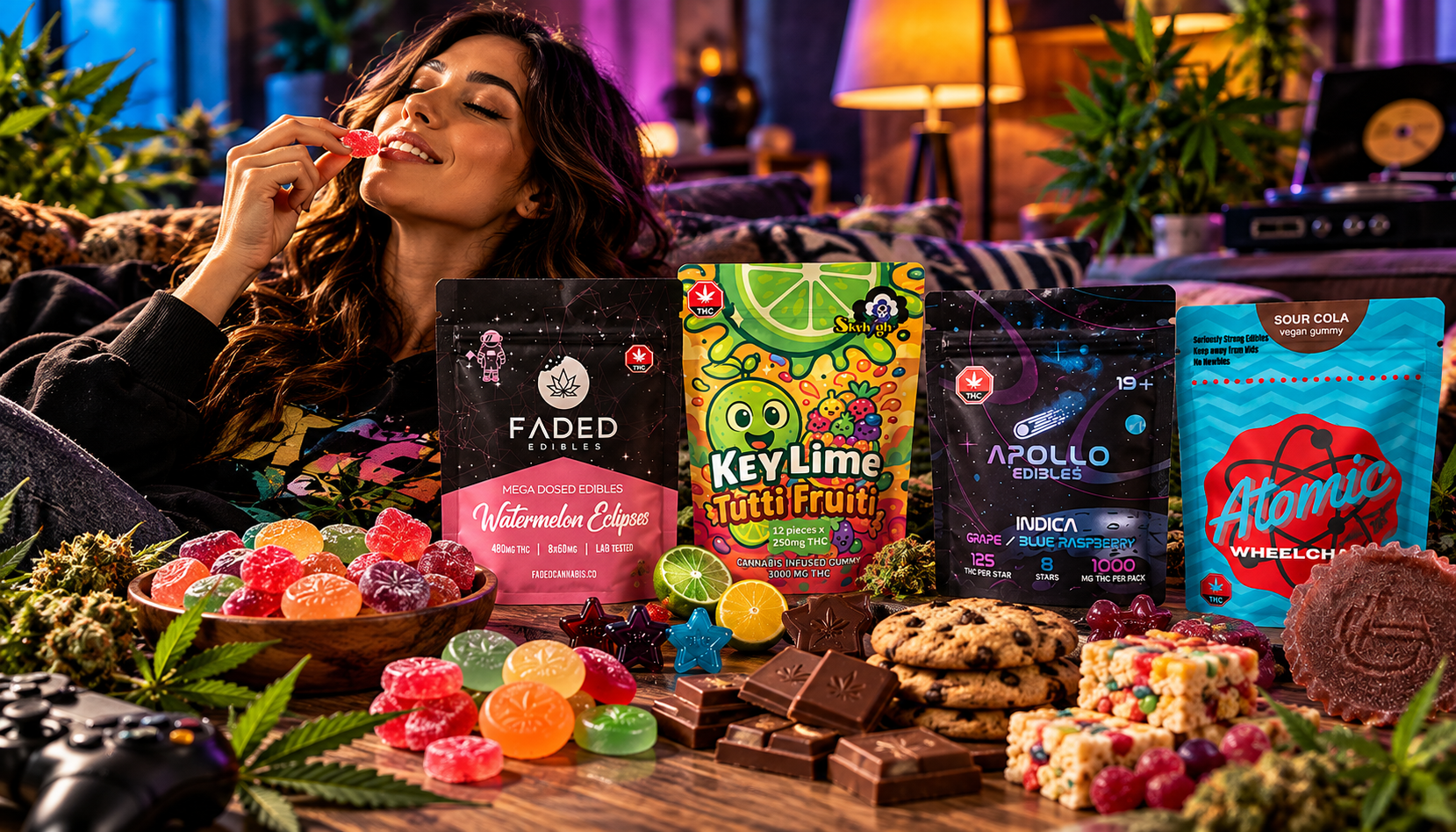
Potency and the Experienced Cannabis Consumer
Cannabis tolerance develops differently among individuals.
Someone who uses cannabis regularly may require a different amount to experience effects than someone with little previous exposure. However, having a high tolerance does not eliminate the possibility of consuming too much THC.
Tolerance can also change.
Taking a break from cannabis may reduce tolerance, meaning a quantity that previously felt familiar could produce stronger effects after a period of abstinence.
Product formulation matters too. High THC Edibles from different manufacturers may contain different ingredients and use different cannabinoid-delivery technologies. Gummies, chocolates, beverages, and capsules may not necessarily produce identical onset patterns.
For these reasons, previous experience should guide caution rather than create overconfidence.
Potential Benefits of High THC Edibles
High THC Edibles offer several practical characteristics that may appeal to experienced adult cannabis consumers.
Their extended duration is perhaps the most notable. A single edible experience can last considerably longer than inhaled cannabis, although the exact duration varies by individual, product, and dose.
Edibles also avoid combustion. Cannabis smoke contains combustion by-products, so consumers who do not want to smoke may prefer an edible format.
Another potential advantage is variety. Modern edible markets include everything from fruit-flavored gummies and chocolates to beverages and baked products.
Portion information can also help consumers understand how much THC a product contains. This benefit depends on accurate manufacturing and labeling, which is why obtaining products from lawful, appropriately regulated sources is preferable.
How Long Do High THC Edibles Take to Work?
One of the most important things to understand about edible cannabis is that the effects are delayed.
Traditional swallowed edibles may take anywhere from roughly 30 minutes to two hours or longer to become noticeable. Meal timing, metabolism, body composition, product formulation, and individual physiology can all influence onset.
Some newer formulations are designed for faster absorption, so consumers should read the specific product information rather than assuming every edible behaves the same way.
The delayed onset of High THC Edibles creates one of their biggest risks: premature redosing.
Someone may consume an edible, feel little after an hour, and decide to take more. The original serving may then intensify at roughly the same time as the additional THC begins being absorbed.
The result can be much stronger than intended.
How Long Can High THC Edibles Last?
Edible THC typically produces a longer experience than inhaled cannabis.
Noticeable effects may continue for several hours, and residual impairment can last even longer. With particularly potent products, large amounts, or sensitive individuals, effects may persist well beyond the expected peak.
This extended duration is important when planning activities.
Driving, operating machinery, or performing other safety-sensitive tasks should be avoided while impaired. Consumers should also consider whether they have work, travel, childcare, or other responsibilities later in the day.
There is no reliable method for instantly ending an edible cannabis experience once substantial THC has been absorbed.
Food Can Influence the Experience
What you eat can affect oral cannabinoid absorption.
THC is lipophilic, meaning it has an affinity for fats. Research involving oral cannabinoids has demonstrated that food—particularly meals containing substantial amounts of fat—can alter cannabinoid absorption and overall exposure.
This means taking the same edible under different dietary conditions may not always produce exactly the same experience.
Rather than deliberately using food to intensify High THC Edibles, experienced consumers may benefit more from consistency. Taking familiar products under similar conditions can remove some of the variables that contribute to unpredictable effects.
High THC Gummies, Chocolates and Other Formats
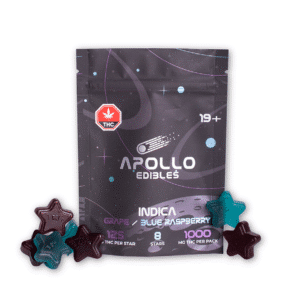
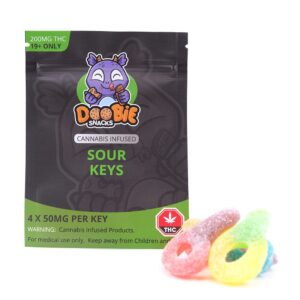
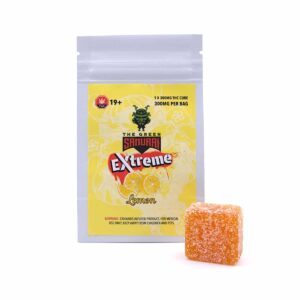
Gummies are among the most recognizable cannabis edibles because they are portable and can be divided into individual pieces.
Cannabis chocolates combine cannabinoids with a fat-containing food matrix and are frequently segmented into portions. Chocolates should always be stored securely because they can easily be mistaken for conventional candy.
Cannabis beverages provide another format. Depending on their formulation, some infused drinks may have different onset characteristics from conventional solid edibles.
Capsules and oils offer alternatives for consumers less interested in candy-style products.
Regardless of format, the cannabinoid amount per serving is more important than the product’s appearance.
Possible Side Effects of Too Much THC
Experience does not make someone immune to excessive THC.
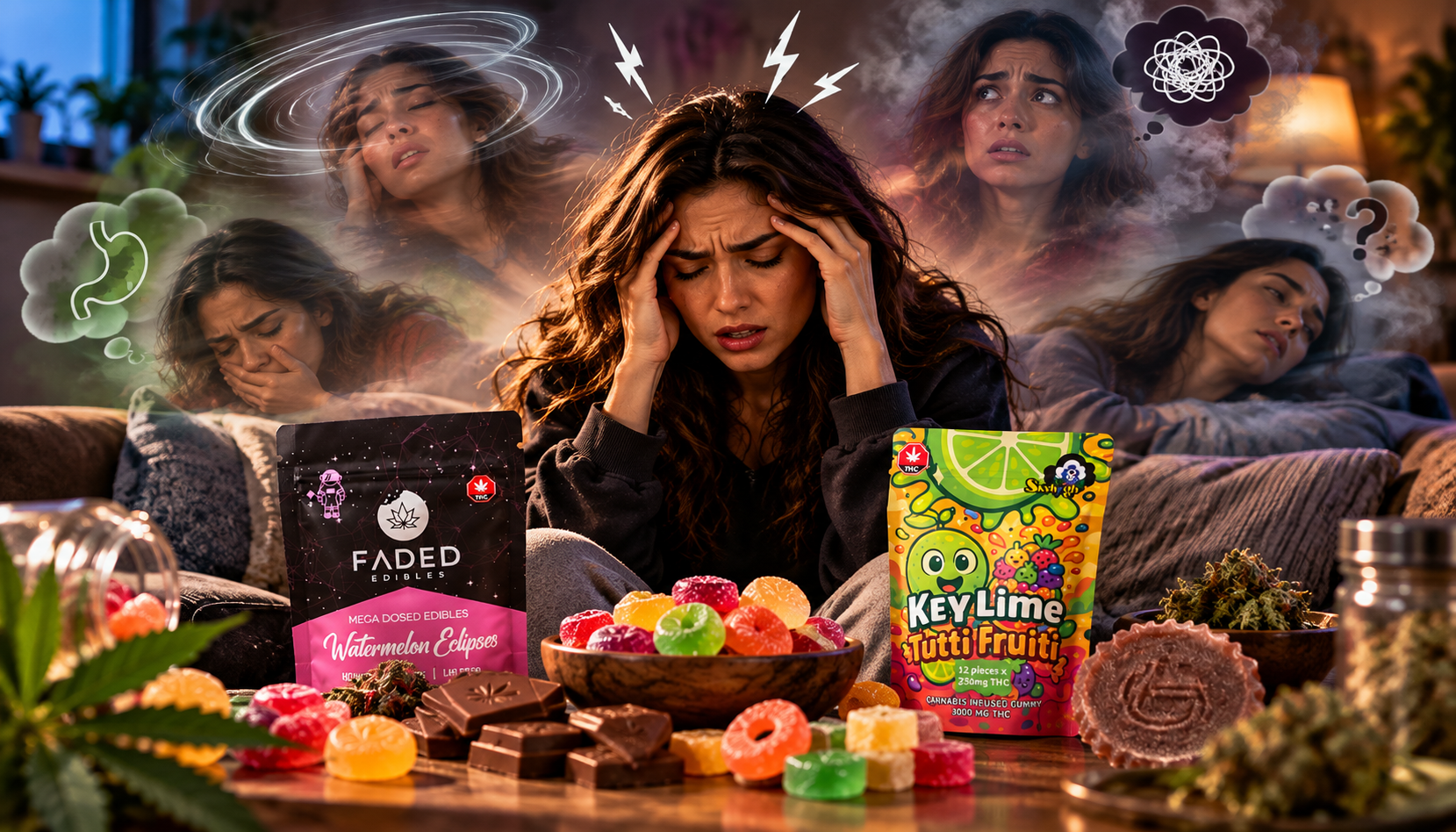
Too much can cause anxiety, panic, dizziness, nausea, confusion, paranoia, impaired coordination, increased heart rate, and significant drowsiness. Very strong intoxication can be particularly uncomfortable because edible effects may last for hours.
If someone consumes more THC than intended, they should avoid taking additional cannabis or mixing it with alcohol or other intoxicants.
A quiet environment and reassurance from a trusted sober person may help while effects subside.
Medical assistance should be sought for severe symptoms such as loss of consciousness, seizures, chest pain, breathing difficulties, or circumstances in which the individual cannot be kept safe.
Responsible Storage Matters
High-potency edibles require particularly careful storage.
Colorful gummies, chocolates, cookies, and other cannabis products can look virtually identical to ordinary snacks. Children and pets may not recognize the difference.
Keep cannabis products in clearly identifiable packaging and store them securely where children and animals cannot access them.
Separating cannabis products from ordinary snacks can further reduce the possibility of accidental consumption.
Choosing Quality High THC Edibles
When comparing High THC Edibles, start with the label.
Look for clearly stated THC quantities per serving and per package. Product ingredients, cannabinoid composition, manufacturing information, and applicable testing information can provide additional context.
Avoid judging an edible solely by claims such as “extra strong” or “maximum potency.” Numerical cannabinoid information is far more useful.
Consumers should also verify whether a product complies with the cannabis regulations applicable where they live. Legal THC limits and edible regulations differ between jurisdictions, and an online product’s availability does not necessarily establish that it can legally be purchased or possessed in a particular location.
Are High THC Edibles Right for You?
High-potency cannabis products are not automatically better simply because they contain more THC.
For experienced consumers, their main appeal may include extended duration, convenience, discretion, and avoiding cannabis smoke. However, these characteristics should be balanced against delayed onset and the increased potential for uncomfortable intoxication.
The objective should not be consuming the largest possible quantity of THC. A better approach is understanding personal tolerance, checking the actual cannabinoid content, and selecting a product appropriate for the desired experience.
Exploring High THC Edibles from Buy Weed
High THC Edibles represent one of the most potent categories within the modern edible cannabis market. Gummies, chocolates, beverages, capsules, and other formats provide experienced consumers with numerous options, while oral metabolism creates a longer-lasting experience that can differ substantially from smoking or vaping.
For consumers interested in exploring these products, Buy Weed is an online dispensary to consider for its available selection of cannabis products. Check current product details, cannabinoid content, and applicable laws before purchasing, since regulations and permitted THC limits vary by jurisdiction.
Ultimately, the benefits of High THC Edibles are best appreciated when potency is approached carefully. Knowing the THC content, allowing sufficient time for effects to develop, avoiding unnecessary redosing, and storing products securely can help experienced cannabis consumers make more informed choices.